Boosting Business Success: The Essential Guide to Modern Team Building Strategies
In the fast-paced world of business, team building is no longer just an extracurricular activity or a yearly retreat. It’s a vital process that can significantly boost productivity, foster innovation, and create a harmonious work environment. It’s a driving force that propels organizations to the peak of their industry. However, the process of team building is constantly evolving to meet the needs of a diverse and dynamic workforce.
The dynamics of team building today focus on inclusivity, diversity, and the empowerment of every member.
It seeks to harness the unique strengths and talents of individuals and channel them towards achieving common objectives. This is a shift from the traditional hierarchical model where decision-making was centralized, to a more democratic approach promoting open communication and collaboration.
One of the cornerstone principles of effective team building is open communication. Team members need to feel comfortable sharing their thoughts, ideas, and concerns without fear of retribution. A culture of open communication stimulates creativity, encourages problem-solving, and enhances the overall performance of the team. Employing collaborative tools and platforms can facilitate this process, creating an environment where everyone’s voice is heard, and diverse ideas are celebrated.
Another fundamental element is recognizing and valifying diversity. In the modern workplace, team members come from different backgrounds, cultures, and experiences. Recognizing these differences and leveraging them enriches the team’s collective knowledge base, ensuring a broader perspective in problem-solving and decision-making. It’s crucial to inclusively integrate all team members, celebrating their unique contributions and fostering a sense of belonging.
Trust is also a critical piece of the team building puzzle. Trust among team members boosts collaboration, expedites decision-making processes, and encourages taking calculated risks.
Cultivating an environment of trust involves promoting honesty, integrity, and transparency in all team engagements.
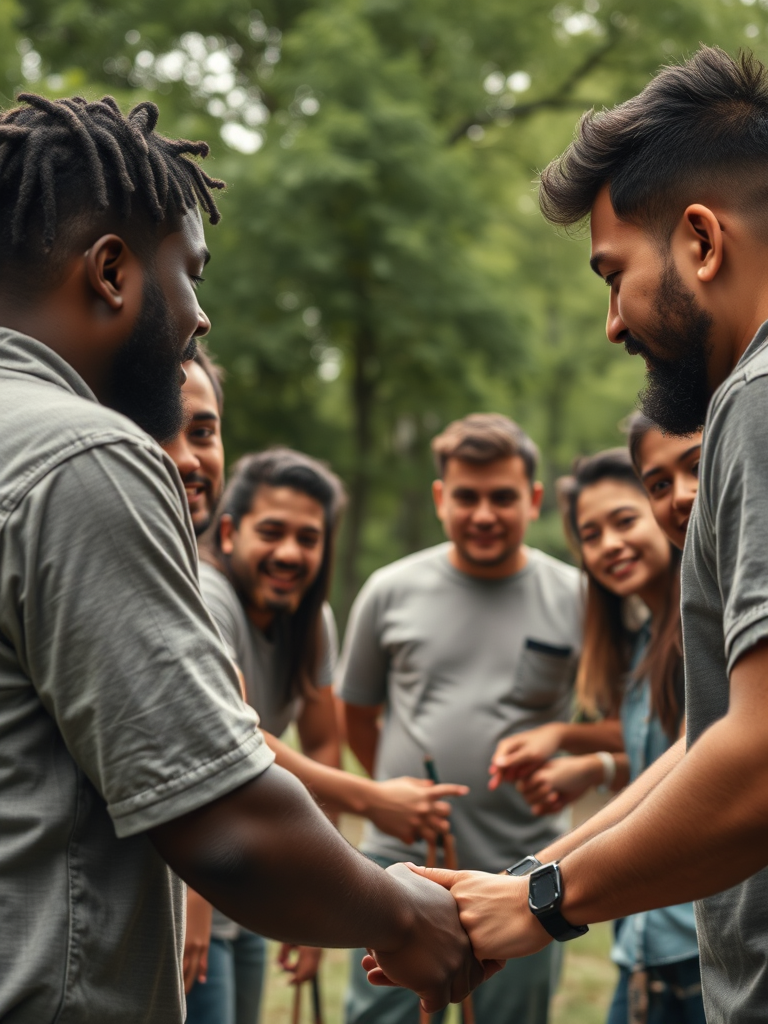
Team building activities also play a crucial role in fostering team spirit and enhancing collaboration. They can range from problem-solving tasks, treasure hunts, role-playing exercises, to simple get-togethers outside the office. These activities are meant to challenge team members, encourage cooperative behavior, and promote a better understanding of each other’s strengths and weaknesses. However, these activities should be thoughtfully designed to engage all team members and align with the organization’s core values.
Finally, it’s crucial to remember that team building is not a one-time event but a continuous process. Regular feedback and recognition of individual and team efforts keep morale high and motivate team members to strive for excellence. Consistent investment in team building efforts and the development of a supportive company culture guarantees not only a happier workforce but also a more productive and successful organization.
To sum it up, effective team building in today’s business landscape involves fostering open communication, appreciating diversity, building trust, facilitating engaging activities, and continuous feedback. Understanding and implementing these elements will help organizations unlock the potential of their teams, drive innovation, and reach new levels of success.