Build High-Performing Hybrid & Remote Teams: Practical Strategies for Leaders
Building High-Performing Teams: Practical Strategies for Hybrid and Remote Workforces
Team building matters more than ever as work models shift and distributed teams become the norm. Strong teams are not built by occasional events alone; they grow from everyday practices that foster trust, clarity, and belonging. The following strategies help leaders and team members create resilient, high-performing groups whether people work in an office, remotely, or in hybrid arrangements.
Core principles to prioritize
– Psychological safety: Encourage speaking up without fear of blame. Teams that admit mistakes and surface problems early resolve issues faster and innovate more confidently.
– Clear purpose and outcomes: Make objectives understandable and measurable.
When every team member knows how their work contributes to outcomes, engagement and alignment increase.
– Regular, predictable communication: Balance synchronous and asynchronous channels. Use brief live touchpoints for alignment and asynchronous updates for deep work and documentation.
– Inclusion and belonging: Design rituals and decisions that center diverse perspectives. Small adjustments—agenda time for different voices, rotating facilitators, or anonymous idea collection—boost participation.
Practical team-building habits
– Daily micro-rituals: A five- to ten-minute standup that focuses on priorities and blockers builds rhythm and reduces context switching. Keep it tight and action-oriented.
– Weekly asynchronous check-ins: Use a shared doc or channel where each person posts three wins and one challenge. This creates visibility across time zones without forcing synchronous meetings.
– Pairing and cross-training: Rotate two-person pairings for short problem-solving sessions or onboarding. Cross-training reduces single points of failure and increases empathy across roles.
– Short, themed workshops: Host 60–90 minute sessions focused on skills, process improvements, or retrospective deep dives. Limit the guest list to make them interactive.
– Low-pressure social rituals: Virtual coffee roulette, short “show and tell” sessions where team members highlight a project or hobby, and themed Slack channels help humanize colleagues.
Designing inclusive activities
– Accessibility first: Schedule meetings across rotating time zones and provide written summaries. Use captions and accessible docs.
– Structured participation: Use round-robin or timed speaking slots in larger meetings to prevent domination by a few voices.
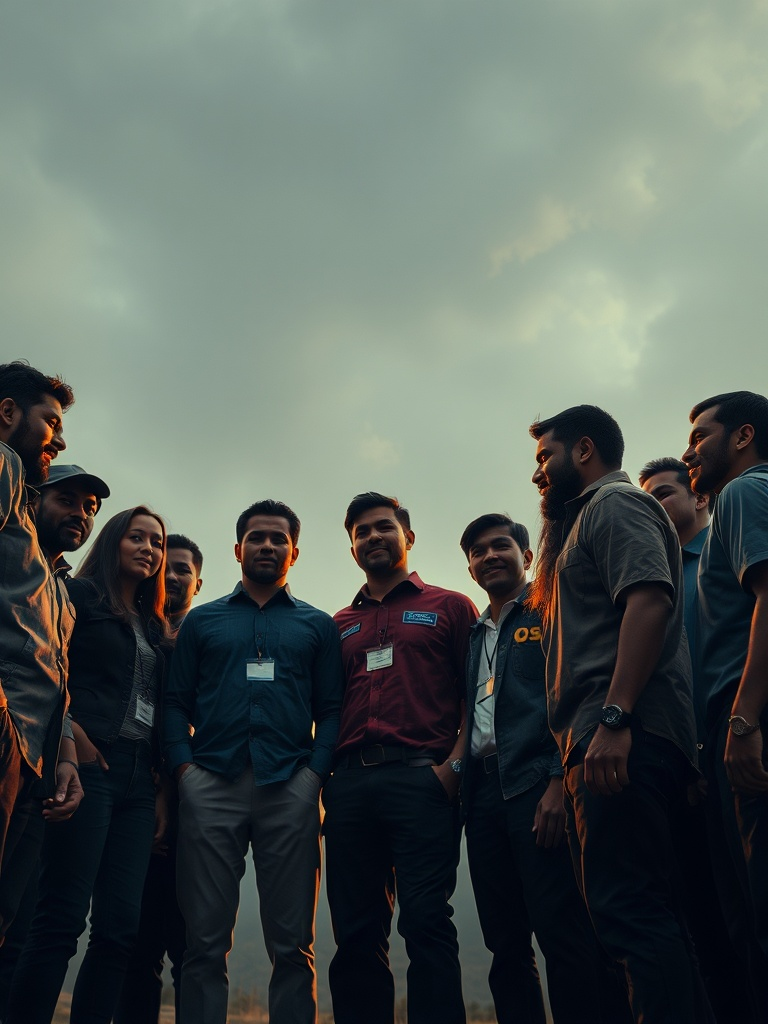
– Celebrate small wins: Public recognition for incremental progress sustains momentum more effectively than rare big celebrations.
Measuring team-building impact
Use a mix of qualitative and quantitative indicators:
– Engagement survey signals (pulse checks focused on trust, clarity, and belonging)
– Retention and turnover patterns
– Project delivery metrics (velocity, cycle time, quality)
– Internal mobility and cross-functional collaboration frequency
Collect short feedback after team rituals and adjust based on what helps productivity and morale.
Avoid pitfalls
– Don’t overdo social events; forced fun can feel exhausting. Prioritize meaningful connection over sheer volume.
– Avoid one-size-fits-all solutions. Tailor practices to team size, culture, and time-zone distribution.
– Don’t confuse activity with impact. Track outcomes and iterate on what truly improves collaboration.
Quick starter checklist
– Set one team ritual (standup or async check-in) and commit for a month
– Pilot one cross-training pairing each sprint
– Introduce a recurring short feedback pulse focused on trust and clarity
– Schedule one learning workshop driven by team-selected topics
Effective team building blends strategy with everyday execution. Small, consistent habits that promote safety, clarity, and belonging compound into stronger collaboration, better outcomes, and a workplace people want to stay in. Try one change this week and measure its effect in the next cycle.