Team Building Ideas That Work: Lessons From Human Pyramids and Student Satellites
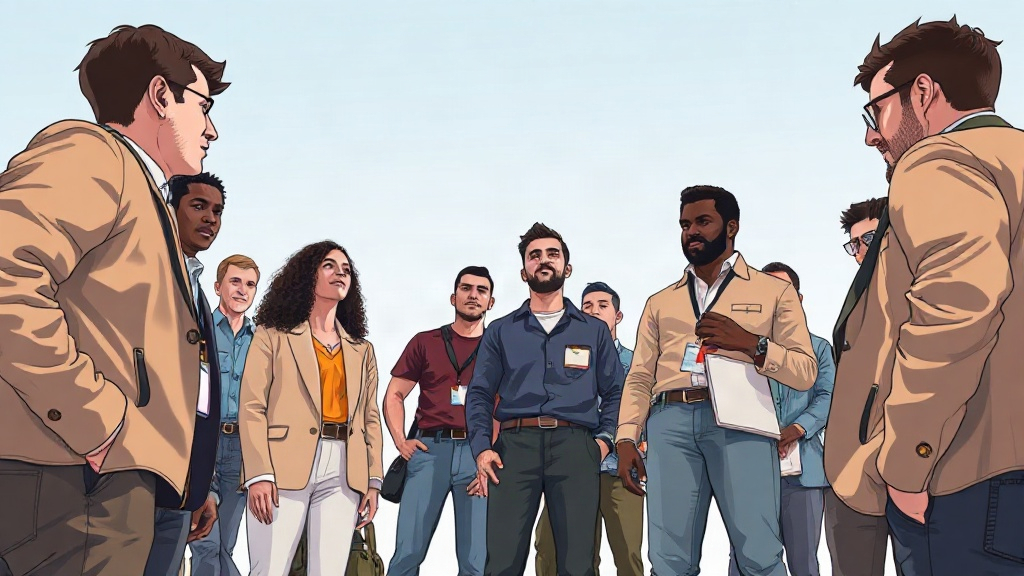
It's easy to assume team building means trust falls, trivia nights, and a stale conference room with lukewarm coffee. Recent headlines suggest the field is changing. Companies are experimenting with physical, unconventional exercises, while universities are showing what happens when a group takes on a genuinely hard, shared engineering challenge. Both offer lessons for any leader who wants a stronger, more connected team.
Why Team Building Is Evolving
Hybrid and remote work have changed what people expect from colleagues. Many employees now spend less time in the same room, so the moments they do share carry more weight. A forgettable icebreaker no longer cuts it. Teams want experiences that feel purposeful, and managers want measurable improvements in communication, trust, and collaboration.
That shift explains the popularity of more offbeat formats. One widely discussed example, covered by the Wall Street Journal, involves a team exercise where participants literally climb on the boss. The setup is playful and a little absurd, but the logic is sound: physical cooperation, vulnerability, and mutual support flatten hierarchy quickly. When a senior leader becomes part of a human structure that depends on everyone's balance, titles matter a lot less.
The Power of a Shared Mission
At the other end of the spectrum is the approach recently highlighted by Kennesaw State University, where a student team is building a miniature satellite with the goal of reaching orbit. It isn't a team-building exercise in the corporate sense, yet it demonstrates the same principles at full strength.
A project like this requires:
- Clear roles: Hardware, software, power systems, and communications each need an owner. - Cross-disciplinary communication: Specialists must explain complex ideas to teammates outside their field. - Resilience: Testing failures are expected, and the group must adapt without losing momentum. - A tangible goal: Everyone can picture the finish line, which keeps motivation high.
The takeaway is that people bond most deeply when they work toward something that matters. Games can spark connection, but a real mission sustains it.
Combining Fun and Purpose
The strongest team-building programs borrow from both worlds. Light, active exercises break down barriers and build rapport. Purpose-driven challenges then turn that rapport into lasting working relationships. Consider blending the two:
1. Start with a low-stakes warm-up. Short, energetic activities help people relax and drop their guard. 2. Move to a problem-solving challenge. Build something, design a prototype, or tackle a real business puzzle in mixed groups. 3. Debrief honestly. Ask what worked, what frustrated people, and how those lessons apply to daily work. 4. Follow up. Reinforce the experience in the weeks after with check-ins or recurring group projects.
Keep Inclusion at the Center
Not every activity suits every person. Physical exercises, for example, can exclude colleagues with mobility limitations, injuries, or personal comfort concerns. Others may feel uneasy about close contact with a manager. Good facilitators offer options, make participation voluntary, and design roles that let everyone contribute in their own way.
Introverts and remote team members deserve consideration too. Structured activities with clear instructions often work better than open-ended socializing. For distributed teams, collaborative online challenges, virtual workshops, or periodic in-person gatherings can bridge the distance.
Measuring What Matters
Team building shouldn't be a one-off event with no follow-through. Before planning, define what you want to improve: cross-department communication, onboarding, conflict resolution, or morale after a period of change. Afterward, gather feedback through short surveys, and watch for practical signals like faster handoffs, fewer misunderstandings, and higher engagement.
Building Something Together
Whether your team is stacking up in a human pyramid or engineering a satellite destined for orbit, the principle is the same: people grow closer when they depend on one another and share a goal. Choose activities that are inclusive, purposeful, and connected to real work, and the benefits will carry well beyond the event itself.