Team Building That Works: Daily Habits and Activities That Build Stronger Teams
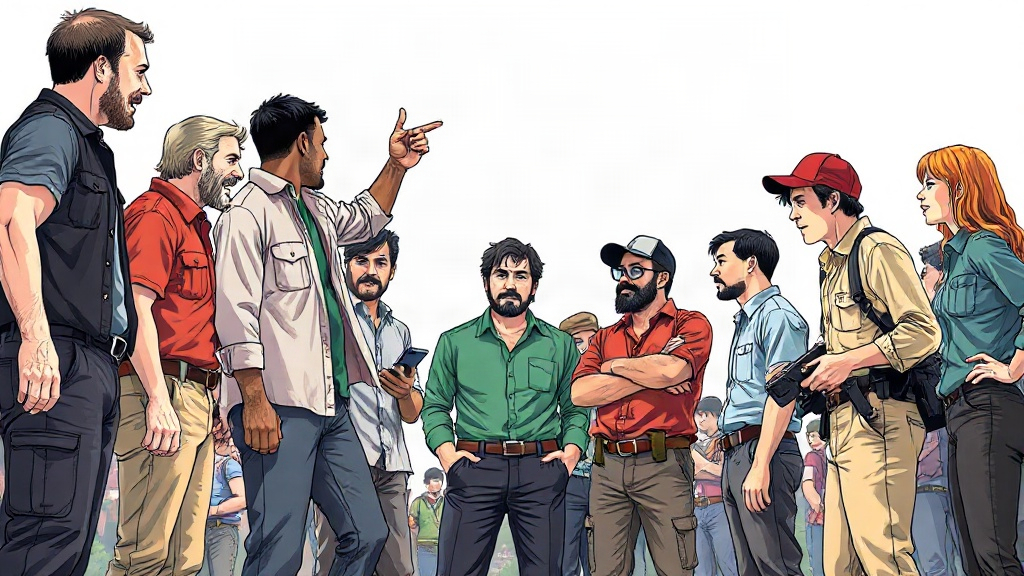
Team building has moved well beyond trust falls and awkward icebreakers. Whether the setting is an NBA locker room or a hybrid office, the best teams share one trait: they build connection on purpose, and they keep doing it. Recent headlines, from basketball stars talking about good habits to seasonal activity roundups for HR teams, point to the same idea. Strong teams are made through consistent behavior, not one-off events.
Good Habits Beat Grand Gestures
When Giannis Antetokounmpo recently spoke about facing his former team and building good habits with his current group, the message was familiar to anyone who has led people. Chemistry doesn't appear on day one. It grows from small, repeated actions: showing up prepared, communicating openly, and holding each other accountable.
The same applies at work. A single offsite can create goodwill, but daily rituals sustain it. Consider habits like:
- Starting weekly meetings with a quick personal check-in - Publicly recognizing specific contributions, not just final results - Sharing credit and owning mistakes without blame - Keeping commitments, even small ones
These behaviors build psychological safety, which research and real-world experience both link to better collaboration, creativity, and retention.
Seasonal Activities Keep Things Fresh
Variety matters too. Fall-themed roundups from HR publications highlight how well-timed activities can re-energize teams as the year winds down. Think pumpkin-carving contests, harvest-style cook-offs, volunteer days, or outdoor scavenger hunts. They work because they're low-pressure, easy to join, and tied to something people already enjoy.
The takeaway isn't that everyone needs a pumpkin patch outing. It's that activities feel more natural when they match the moment. Seasonal themes give teams a shared reference point and a reason to step away from their screens together.
Destination-Based Team Building Is Growing
Travel and tourism boards have noticed the demand, too. Cities like Lake Charles, Louisiana, now promote curated itineraries for groups, mixing local food, culture, and outdoor experiences. That reflects a wider trend: companies are investing in in-person gatherings that feel like real experiences rather than conference-room exercises.
Shared novelty is powerful. When colleagues try something new together, whether a cooking class, a boat tour, or a local festival, they see each other in a different light. Those moments create stories the team keeps retelling, and stories are what hold culture together.
What Makes a Team-Building Activity Actually Work
Not every activity delivers. The ones that do tend to follow a few principles.
Purpose over pizzazz. Know what you're trying to improve, whether that's communication, trust, cross-department relationships, or morale. Pick the format that fits the goal.
Inclusion by design. Choose activities that work for different personalities, abilities, and comfort levels. A loud, competitive game may thrill some people and exhaust others. Offer options.
Voluntary participation, where possible. Forced fun backfires. Make it appealing, and let people opt into the level of involvement that suits them.
Time during working hours. Asking employees to give up evenings or weekends can feel like a burden. Building connection into the workday signals that the company values it.
Follow-through. The real test comes afterward. If a session surfaces ideas about communication or workload, act on them. Otherwise the activity becomes a one-day diversion.
Remote and Hybrid Teams Need Intentional Effort
Distributed teams can't rely on hallway conversations and shared lunches. Virtual trivia, collaborative playlists, online escape rooms, and "show your workspace" sessions can help, but the foundation is still habit. Regular video check-ins, clear norms about responsiveness, and occasional in-person meetups keep remote colleagues feeling like a team rather than a list of names on a chat app.
Start Small and Stay Consistent
If your team-building efforts feel stale, don't plan a major event. Start with one new habit this week: a five-minute opening round in your next meeting, a peer shout-out channel, or a monthly team lunch. Then layer in seasonal activities or a destination outing to add energy and memory.
The athletes who win together, and the workplaces that thrive, tend to share the same secret. They treat connection as a practice, not a project. Build the habits first, and the memorable moments will follow.