Vertical Farming Industry Scales Commercial Operations as Food Security Concerns Mount
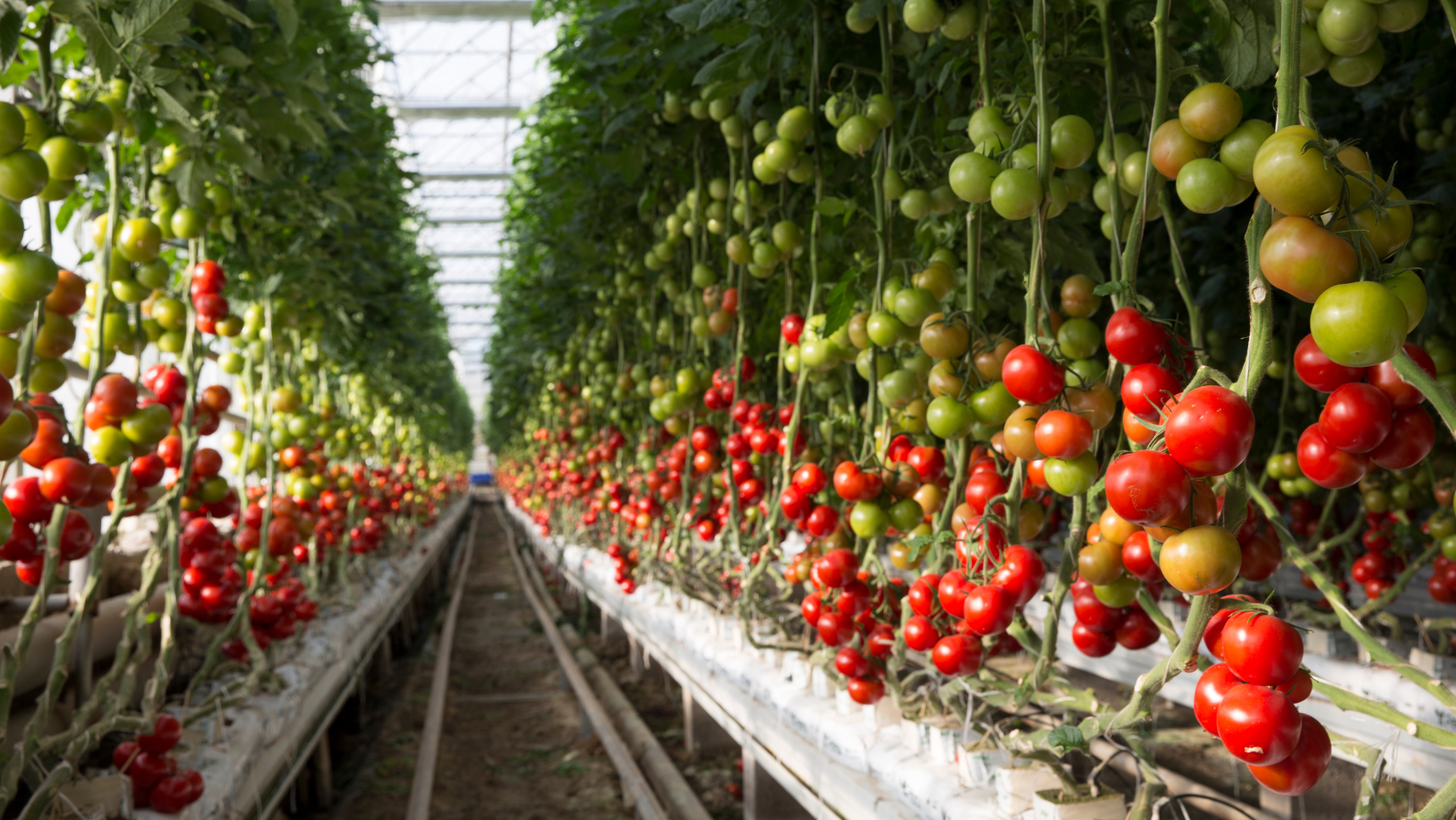
Indoor agriculture achieves cost competitiveness while addressing climate change and supply chain vulnerabilities
The vertical farming industry has reached commercial viability in 2025 as technological advances reduce production costs below traditional agriculture for several crop categories while offering supply chain resilience and environmental benefits that attract retail and restaurant buyers.
Leading vertical farming companies including AeroFarms, Plenty, and Bowery Farming report achieving profitability at individual facility levels while expanding operations to serve major metropolitan markets with year-round fresh produce grown in controlled indoor environments.
Industry capacity has increased 340% over the past three years to reach production levels capable of supplying meaningful portions of leafy green and herb consumption in target markets, demonstrating scalability potential for broader agricultural applications.
Technology Advances Drive Cost Competitiveness
LED lighting efficiency improvements and automation advances have reduced vertical farming operating costs by 60% since 2020, making indoor production cost-competitive with field agriculture for high-value crops including leafy greens, herbs, and specialty vegetables.
Artificial intelligence applications optimize growing conditions, predict harvest timing, and minimize resource consumption through precise environmental control. Machine learning algorithms analyze plant growth patterns to maximize yield per square foot while maintaining consistent quality.
Key technology developments include:
- LED lighting systems achieving 90% efficiency improvements while reducing electricity consumption per plant
- Automated seeding and harvesting robots eliminating labor costs for routine cultivation tasks
- Climate control optimization AI systems managing temperature, humidity, and nutrients for maximum growth efficiency
- Hydroponic system advances delivering precise nutrition while minimizing water usage
- Packaging automation enabling direct-to-retail distribution with extended shelf life
These technological improvements enable vertical farms to achieve production costs of $2-3 per pound for leafy greens compared to $4-6 per pound for traditional greenhouse production.
Market Penetration and Customer Adoption
Major retail chains including Whole Foods, Kroger, and Walmart have established partnerships with vertical farming companies to provide locally grown produce with guaranteed availability and extended shelf life. Restaurant chains value consistent quality and year-round supply reliability.
Consumer acceptance has grown substantially as vertical farming produces are marketed as premium local products with superior freshness, longer shelf life, and reduced pesticide exposure compared to field-grown alternatives.
Market adoption includes:
- Retail partnerships providing dedicated shelf space and premium pricing for vertically farmed produce
- Restaurant supply contracts delivering consistent ingredient quality and availability
- Direct-to-consumer subscription services offering home delivery of fresh produce
- Institutional food service supplying hospitals, schools, and corporate cafeterias
- Export opportunities serving international markets with controlled-quality fresh produce
These market channels provide stable revenue streams that support continued facility investment and operational scaling.
Environmental Benefits and Sustainability Impact
Vertical farming eliminates pesticide usage, reduces water consumption by 95%, and produces zero agricultural runoff compared to traditional farming methods. Indoor cultivation requires no soil and generates no erosion or habitat disruption.
Carbon footprint analysis shows vertical farms produce net environmental benefits in urban locations where transportation distances are minimized and renewable electricity powers growing operations.
Environmental advantages include:
- Water conservation through closed-loop hydroponic systems with minimal waste
- Pesticide elimination creating chemical-free produce safe for immediate consumption
- Land use efficiency producing 200-400 times more yield per square foot than field agriculture
- Transportation reduction locating production facilities near consumption centers
- Year-round production eliminating seasonal availability gaps and reducing food waste
These environmental benefits align with corporate sustainability goals and consumer preferences for environmentally responsible food production.
Supply Chain Resilience and Food Security
Vertical farming provides supply chain stability immune to weather disruptions, seasonal variations, and geographic constraints that affect traditional agriculture. Indoor production enables local food security in regions with limited agricultural land or unfavorable growing conditions.
Recent extreme weather events and supply chain disruptions have highlighted vulnerabilities in centralized agricultural production and long-distance food transportation systems that vertical farming can address through distributed local production.
Resilience advantages include:
- Weather independence maintaining consistent production regardless of external climate conditions
- Geographic flexibility enabling food production in urban areas and harsh climates
- Reduced transportation eliminating cross-country shipping and associated disruption risks
- Inventory management providing predictable harvest schedules for retail and food service planning
- Emergency preparedness maintaining local food production capability during crisis situations
These resilience benefits have attracted investment from food retailers and governments concerned about food security vulnerabilities.
Investment Growth and Industry Expansion
Venture capital and private equity investment in vertical farming reached $2.3 billion in 2025 as investors recognize commercial viability and scaling potential. Public-private partnerships support facility development in urban areas seeking local food production capabilities.
Established agricultural companies including Dole, Driscoll’s, and others are investing in vertical farming technology and facilities to diversify production methods and serve premium market segments.
Investment categories include:
- Facility construction funding new vertical farming installations in major metropolitan areas
- Technology development advancing automation, lighting, and growing system efficiency
- Market expansion supporting entry into new geographic markets and crop categories
- Research and development improving crop varieties and growing techniques for indoor cultivation
- Strategic partnerships connecting vertical farms with retail, restaurant, and food service buyers
These investments support continued industry growth while reducing per-unit production costs through economies of scale.
Crop Category Expansion and Product Development
Vertical farming operations are expanding beyond leafy greens to include strawberries, tomatoes, herbs, and specialty crops that command premium prices. Research efforts focus on adapting additional crop varieties for indoor cultivation systems.
Pharmaceutical crop production offers high-value applications where controlled growing conditions enable precise active ingredient concentrations for medical applications. Specialty herbs and microgreens serve restaurant markets demanding consistent quality and unique varieties.
Product development includes:
- Berry production growing strawberries and other small fruits in controlled environments
- Tomato cultivation developing compact varieties optimized for vertical growing systems
- Pharmaceutical crops producing medicinal plants with standardized active compound levels
- Specialty herbs serving chef and restaurant markets with unique flavors and consistent availability
- Microgreens providing high-value garnishes and nutritional supplements
These crop expansions increase revenue per square foot while demonstrating vertical farming versatility across agricultural applications.
Regulatory Framework and Food Safety Standards
Vertical farming operations must meet existing food safety regulations while benefiting from controlled environment advantages that reduce contamination risks. FDA and USDA oversight applies to indoor agriculture with adaptations for soilless growing systems.
Organic certification remains complex for soilless growing systems, though consumer acceptance of vertical farming products suggests market demand exists regardless of organic designation.
Regulatory considerations include:
- Food safety compliance meeting FDA guidelines for fresh produce safety and traceability
- Water quality standards ensuring hydroponic nutrient solutions meet safety requirements
- Facility sanitation maintaining clean growing environments and worker safety protocols
- Product labeling accurately describing growing methods and nutritional content
- International standards meeting export requirements for global market access
These regulatory frameworks provide consumer confidence while enabling market access for vertical farming products.
Economic Impact and Job Creation
Vertical farming facilities create local employment opportunities in both urban and rural areas while requiring different skill sets than traditional agriculture. Technical positions including systems operators, quality control specialists, and maintenance technicians offer career advancement opportunities.
Local economic development benefits include property tax revenue, utility consumption, and indirect economic activity from facility construction and operations.
Economic benefits include:
- Direct employment creating jobs in growing, harvesting, packaging, and facility management
- Technical skill development training workers in agricultural technology and automation systems
- Local tax revenue generating property and business tax income for municipal governments
- Construction activity supporting building trades and specialized facility development
- Supply chain services creating opportunities for local transportation, packaging, and distribution businesses
These economic impacts make vertical farming attractive for local economic development while supporting food security objectives.
Global Market Development and International Expansion
Vertical farming technology is expanding internationally as countries seek food security solutions and environmental benefits. Singapore, Netherlands, and Japan lead adoption through government support and private investment.
Technology transfer and licensing agreements enable global expansion while creating revenue streams for established vertical farming companies. International markets offer opportunities for higher-value crops and premium positioning.
Global development includes:
- Asian markets implementing vertical farming to address land constraints and import dependencies
- European operations focusing on sustainability and local food production objectives
- Middle Eastern projects enabling fresh produce cultivation in desert climates
- Technology exports licensing growing systems and expertise to international operators
- Franchise models supporting rapid geographic expansion through local partnerships
These international opportunities expand market size while demonstrating vertical farming applicability across diverse economic and climatic conditions.
Future Growth Potential and Market Evolution
Vertical farming industry projections indicate continued growth as technology costs decline further and crop categories expand. Integration with renewable energy systems could eliminate environmental concerns while improving economics.
Automation advances may enable fully lights-out operations that dramatically reduce labor costs while improving productivity. Genetic engineering applications specifically for indoor cultivation could enhance yield and nutritional content.
Growth opportunities include:
- Fully automated facilities eliminating human labor requirements through robotic cultivation systems
- Renewable energy integration using solar and wind power to eliminate fossil fuel dependence
- Biotechnology applications developing crop varieties optimized specifically for indoor growing conditions
- Pharmaceutical production manufacturing high-value medical compounds in controlled environments
- Protein production cultivating alternative protein sources including algae and insect farming
The vertical farming industry represents a fundamental shift toward controlled environment agriculture that addresses food security, environmental sustainability, and supply chain resilience challenges facing global food systems.
Success in achieving commercial viability positions vertical farming for continued expansion across crop categories and geographic markets while contributing to more sustainable and resilient food production systems.